Chiaroscuro is an Italian phrase that translates to English as ‘light and dark’, and describes the use of shading to create a sense of volume for three-dimensional objects and figures. The use of this term in art history originates in the renaissance period, and would be further developed by artists such as Leonardo da Vinci, Caravaggio and Rembrandt.
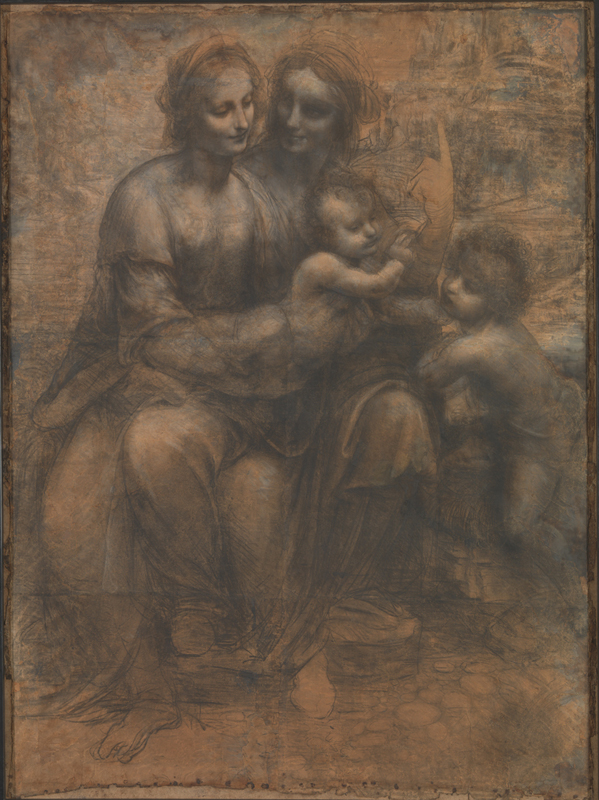
Throughout the sixteenth century this method became increasingly popular and was adopted by most artists; as time went on and the technique evolved, new styles like tenebrism were born. Tenebrism uses dramatic chiaroscuro as a dominant stylistic device; after the Caravaggio’s development of the technique, it would become increasingly popular in Spain and the Spanish-ruled kingdom of Naples.
Chiaroscuro is mainly known for becoming an essential aspect of drawing, painting and printmaking over the past 500 years; although the technique is still used to this day in more modern mediums like cinema and photography. One classic example of chiaroscuro in cinematography is Nosferatu (1922); a silent German Expressionist horror film that is commonly referred to as an influential masterpiece of cinema.

Using this technique in cinema allows the viewer to focus on the main figure in the scene, which in this case is ‘Count Orlok’. Films from the silent period would be dependent on only the visual aspect, which would have to find ways to convey information that today we would expect to be given to us through dialogue, making the use of lighting to set the eerie tone even more important.
 SPIKE FRASER