Ugolino and His Sons is a marble sculpture made by Jean-Baptiste Carpeaux in the 1860’s.
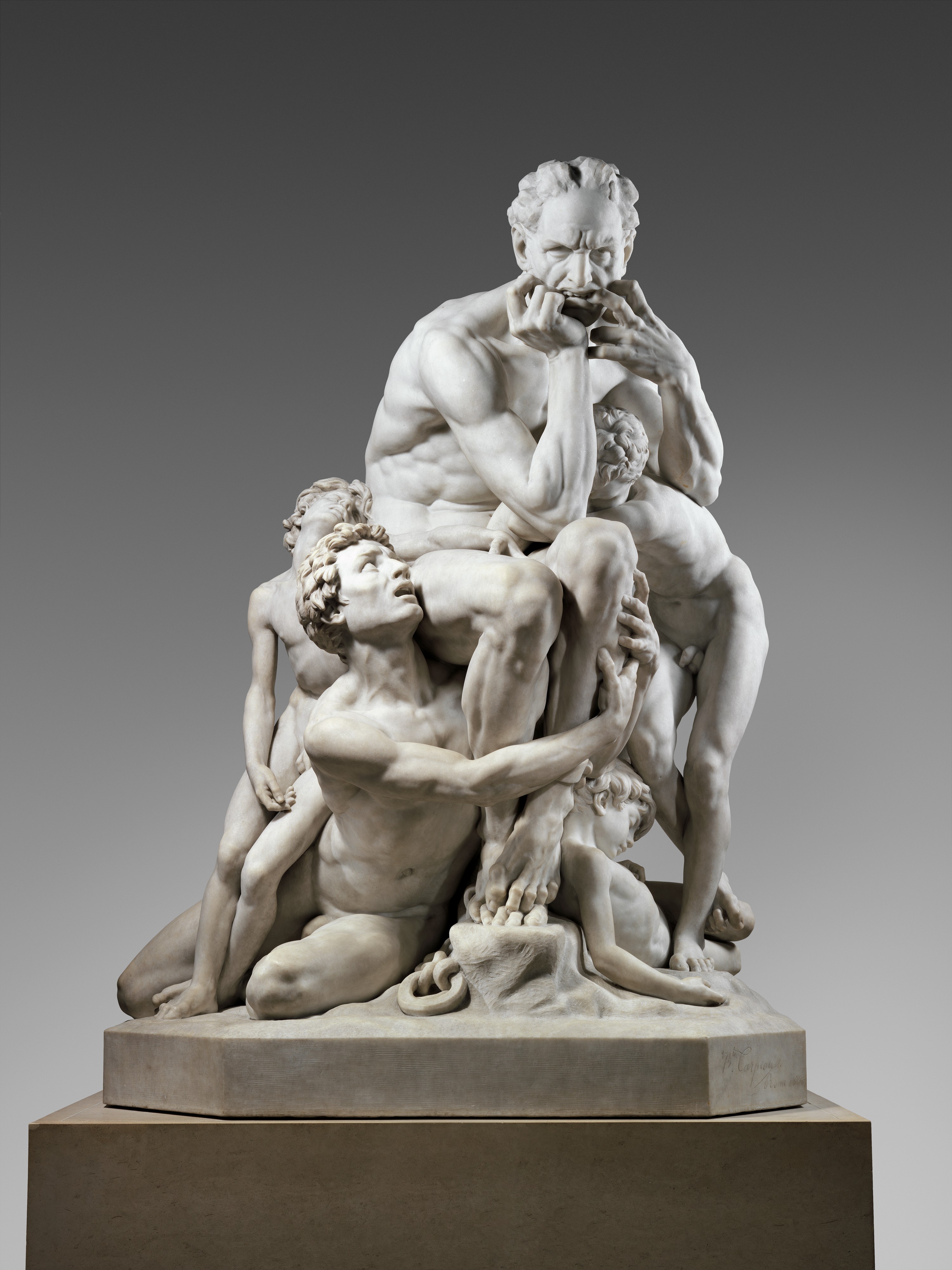
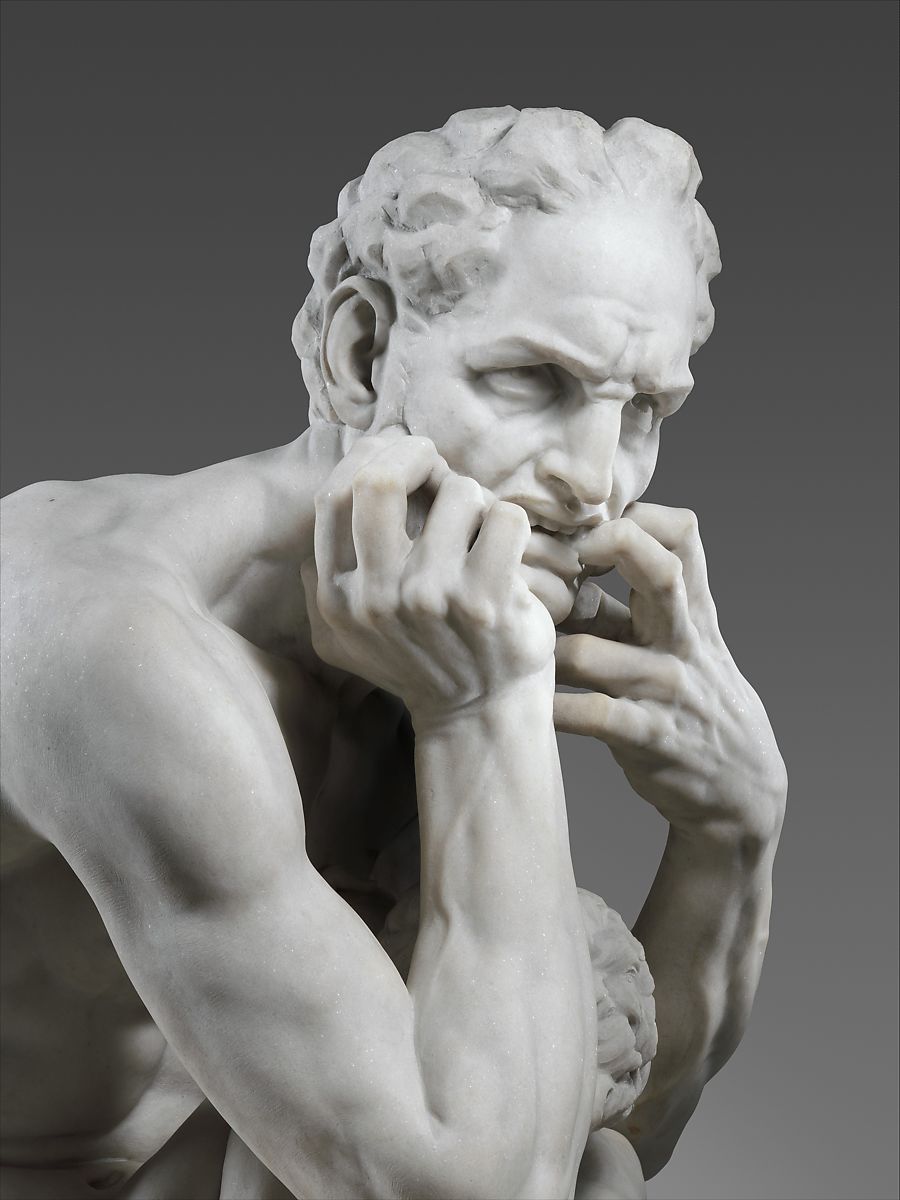
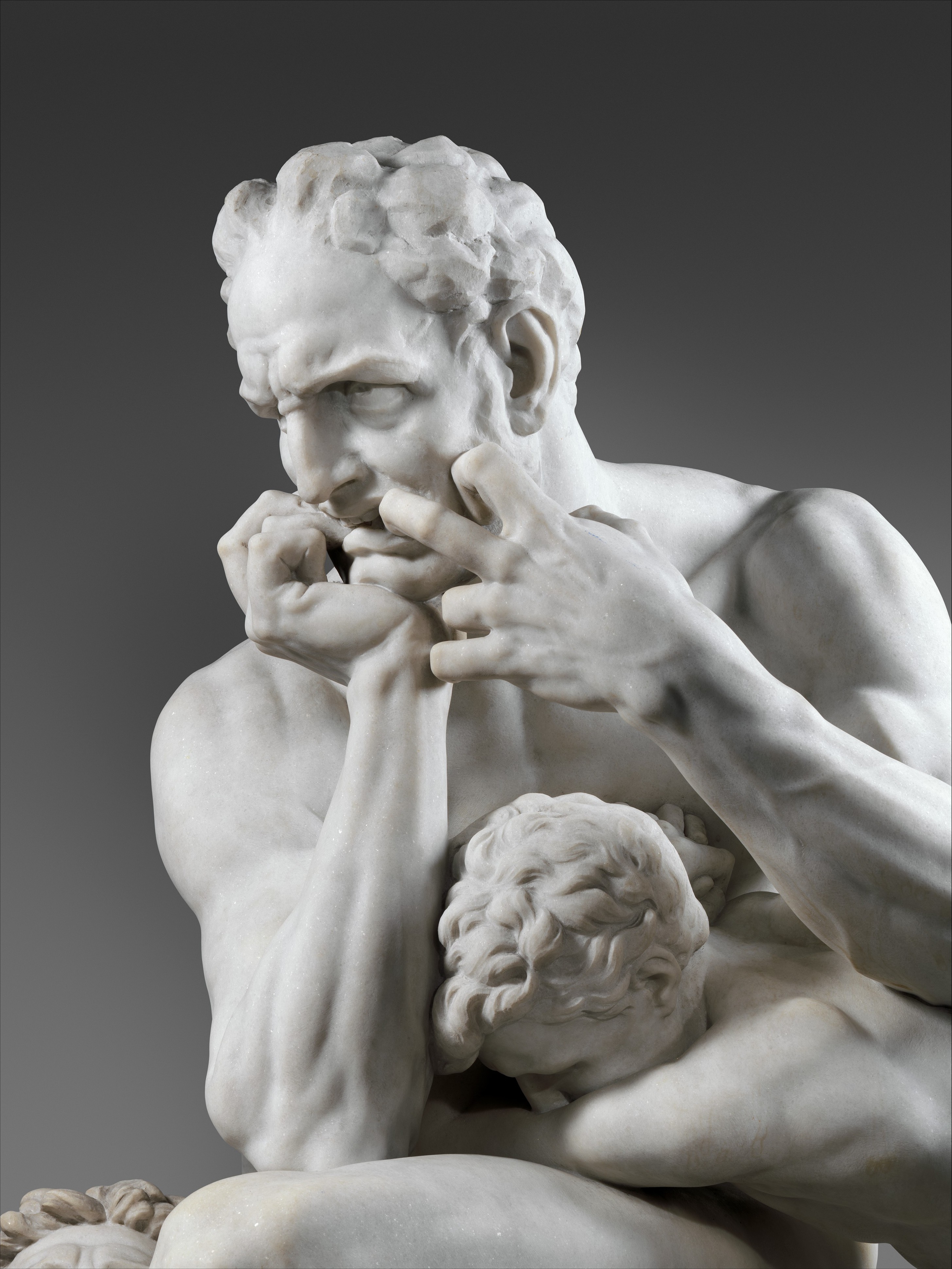


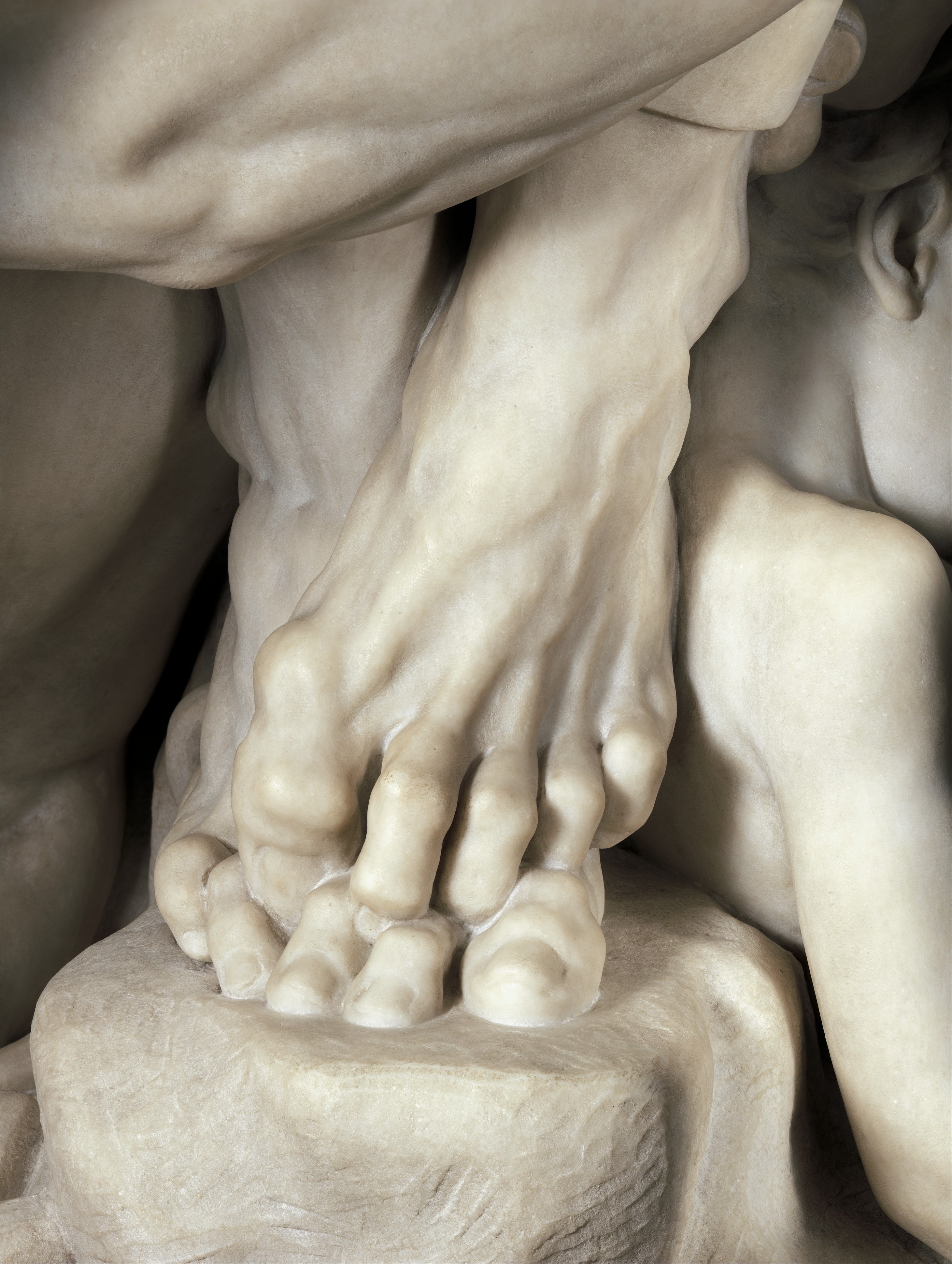
Count Ugolino of Donoratico was an Italian nobleman, politician and naval commander who was arrested for treachery in 1288, after killing Archbishop Ruggieri’s nephew. On the orders of the Archbishop; Ugolino, his two sons and two grandsons were locked away in the Torre dei Gualandi, where they would be left to starve after the keys to their cell were thrown into the Arno river. This story would later gain its fame from Canto XXXIII of Dante’s Inferno.
Dante’s version of hell was divided into nine different levels, placing both Ugolino and Ruggieri in the ice of the second from worst ring of hell; a place that was reserved for betrayers of kin, country, guests and benefactors. In Dante’s telling of the story, the reason that Ugolino was in this specific part of hell was because whilst they were starving to death, his children begged that he eat their bodies. In the story, Ugolino explained it by saying that “hunger had more power than even sorrow over me”, giving the impression that he consumed the flesh of his offspring; this is why he is often known as the ‘Cannibal Count’.
The fact that Carpeaux chose to depict a story from Dante’s Inferno was strange for the period; this was a bold departure from the more historical and biblical subject matter seen more frequently from the students of the Académie des Beaux-Arts. Whilst in preparation for this piece would look at the work of Michelangelo and sketch children as they were dying.
This particular version of the sculpture can be found at the Metropolitan Museum of Art in New York.
 SPIKE FRASER